Introduction
Stripping old paint may feel like a complicated job, specifically for newbies. However, with the right strategies, devices, and knowledge, you can change an old, weathered surface area right into a clean slate all set for a fresh layer of paint. This short article serves as A Beginner's Guide to Stripping Old Paint Like a Pro, offering you with detailed insights into the procedure, pointers, and techniques that will certainly elevate your do it yourself skills.
What is Paint Stripping?
Paint stripping involves getting rid of old paint from surface areas to prepare them for repainting or redecorating. Whether it's wooden furnishings, kitchen area cabinets, or exterior house siding, the objective is to restore the surface's original appeal or prepare it for brand-new finishes.
Why is Paint Stripping Necessary?
Surface Prep work: Stripping aids in producing a smooth surface without imperfections. Paint Adherence: Fresh paint sticks better to removed surfaces. Aesthetic Charm: Getting rid of peeling off or damaged paint improves the overall look. Historical Restoration: In older homes, it's necessary for restoring initial materials.Tools and Products Needed
To begin your trip in paint stripping effectively, having the right devices is crucial.
Essential Equipment
- Paint Stripper: A chemical option created to soften old paint for simpler removal. Scrapers: Metal or plastic scrapes assist lift off the softened paint. Sandpaper: Numerous grits are needed for raveling any kind of staying residue. Protective Gear: Handwear covers, safety glasses, and masks safeguard you from dangerous chemicals and dust.
Optional Tools
- Heat Weapon: Helpful for softening paint without chemicals. Pressure Washer: Effective for removing paint off larger exterior surfaces.
Understanding Different Kinds of Paint Strippers
There are a number of types of paint pole dancers offered on the market.

Chemical Strippers
These consist of solvents that dissolve the binding agents in paint. Typical types are:
- Methylene Chloride: Extremely efficient however very toxic. Caustic Soft drink: Much safer than methylene chloride but can damage timber if left also long.
Eco-Friendly Options
For those mindful concerning ecological influence:
- Soy-Based Pole dancers: Made from soybeans; much less hazardous and biodegradable. Citrus-Based Solutions: Pleasant smell with reliable results.
Mechanical Methods
Using tools like sanders or warmth weapons can be labor-intensive however stays clear of chemical direct exposure altogether.
Preparing Your Job Area
Before embarking on your task, preparation is key!
Choose an Ideal Location
Select a location with excellent ventilation if you're utilizing chemical pole dancers inside your home. Outdoors is more suitable when using powerful solvents.
Gather Safety and security Equipment
Ensure you have gloves, goggles, and masks readily available to secure on your own versus fumes and debris.
Protect Bordering Surfaces
Use ground cloth or plastic bed linen to protect other locations from spills or splatters during your work.
Step-by-Step Process of Paint Stripping
Step 1: Evaluating the Surface Condition
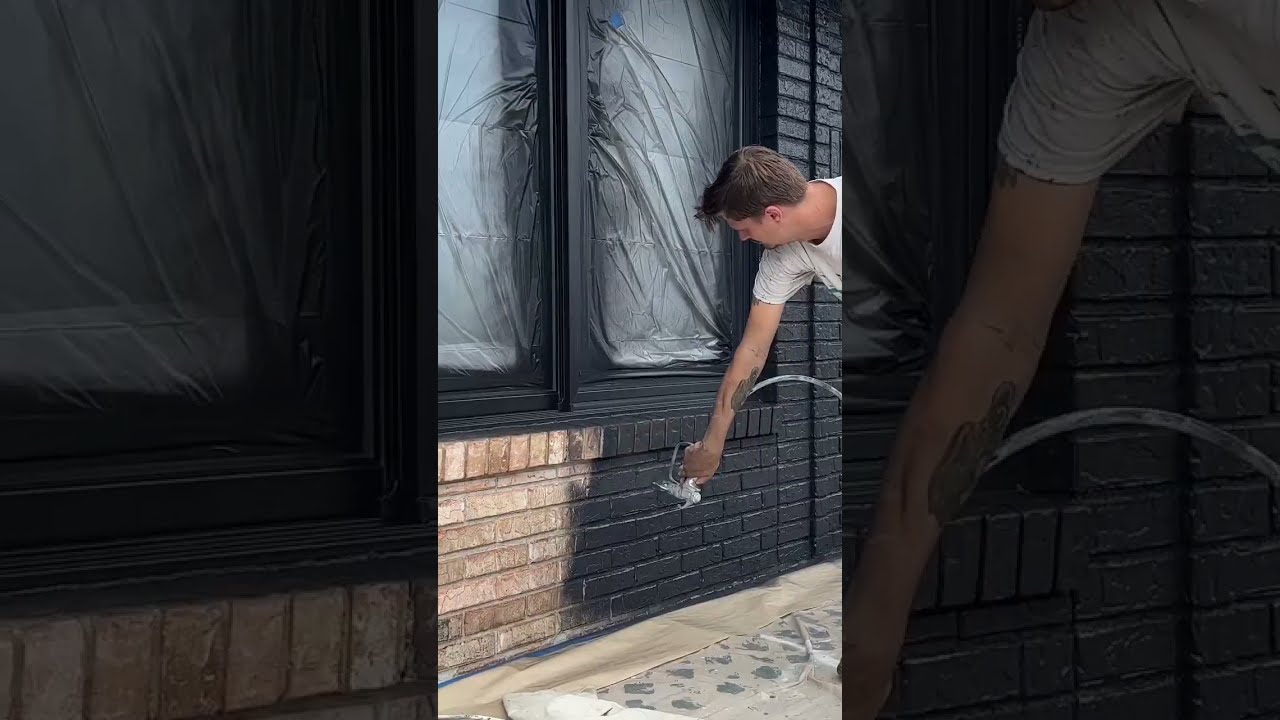
Before starting, evaluate the level of peeling or cracking on your surface.
How do I recognize if my surface area needs stripping?
If more than 20% of the surface has visible damage or several layers of old paint exist, it's time to strip!
Step 2: Picking Your Method
Decide whether you'll make use of chemical strippers or mechanical methods based on your convenience level and project size.
What must I take into consideration when picking my method?
Consider factors like kind of material (wood vs metal), dimension of location needing interest, and personal safety and security preferences.
Step 3: Application
Follow the guidelines particular to your chosen product:
For Chemical Strippers:
Apply kindly with a brush. Let it rest per maker standards (usually 15 minutes). Scrape off softened paint making use of a scraper.For Warm Guns:
Hold warmth weapon at the very least 6 inches away from the surface. Move back and forth up until the paint gurgles up. Scrape off as soon as it's softened enough.Step 4: Cleaning Up Residue
After scraping off most of the old paint:
Use sandpaper to ravel any type of rough areas left behind. Wipe down with mineral spirits to eliminate all deposit prior to paint anew.Tips for Reliable Paint Stripping
Don't Rush!
Take your time during each action; rushing can bring about errors that need more work later on!
Test Prior to You Commit
Always evaluate your chosen stripper on a tiny low-profile area initially! This ensures compatibility with your surface area without damaging it further.
Stay Safe!
Remember to take breaks if dealing with chemicals inside and ensure correct air flow throughout the process!
Common Errors Beginners Make
Skipping Safety and security Gear
Never ignore just how unsafe chemicals can be! Always wear protective gear no matter exactly how "secure" you believe an item might be.
Neglecting Surface Prep
Failing to prep properly can result in irregular outcomes after paint; always take some time before diving right into stripping!
FAQs Concerning Paint Stripping
Q1: Can I remove paint without rough chemicals? Absolutely! Green alternatives like soy-based strippers work choices that decrease wellness dangers https://andreatrv075.tearosediner.net/seasonal-painting-tips-when-is-the-very-best-time-to-paint while attaining terrific results.
Q2: Just how do I know which type of pole dancer is best? Consider what material you're working with (timber vs steel), the amount of layers require removal, and personal convenience levels relating to poisoning prior to making your choice.
Q3: Is it required to sand after stripping? Yes! Sanding makes certain all deposit is gotten rid of and supplies a perfect surface texture for new paint adherence.
Q4: Can I remove painted steel surfaces? Yes! Just guarantee you select appropriate products specifically created for steels as they frequently need various handling compared to wood surfaces.
Q5: What should I do if my pole dancer isn't working? Guarantee you have actually complied with application guidelines precisely! If troubles persist after reapplying appropriately-- take into consideration switching brands/types based on feedback/reviews on the internet concerning efficiency degrees experienced by others dealing with comparable issues!
Q6: For how long does it take for stripped surfaces to dry? Typically enable removed locations at least 1 day prior to using any type of new finishes; this ensures everything has completely treated so newly applied coatings stick appropriately uncreative developing later down line!
Conclusion
In verdict, mastering the art of removing old paint can open limitless possibilities in home enhancement projects. Following this overview not just prepares you physically however mentally also-- outfitting yourself with knowledge regarding devices required while fostering confidence via understanding processes included every action along method! Keep in mind always prioritize safety above all else throughout each phase taken on given that this will inevitably lead towards accomplishing desired results effectively without compromising wellness criteria whatsoever-- all part & & parcel being all-around DIY lover right here today! Happy stripping!